Web Services in Greece

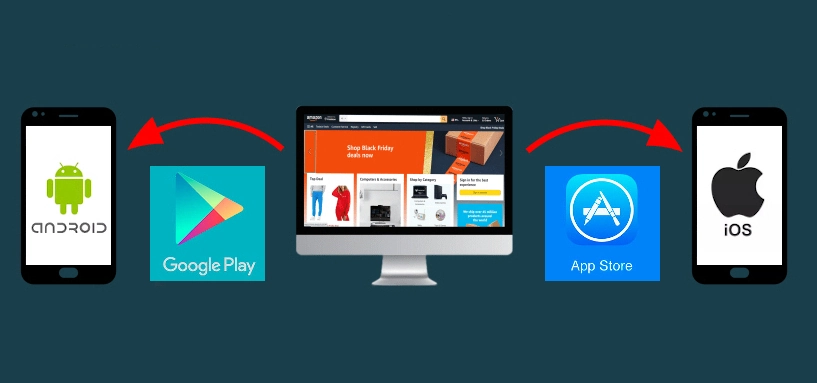
Website to Mobile App for Android & iOS with Full Synchronization

Converting your website or eshop into a mobile app for Android & iOS delivers results when it properly utilizes the existing structure, maintains full synchronization, and provides users with fast, direct, and stable access.

What Are the Benefits of Converting Websites into Mobile Applications?

Mobile application development

Converting a website or an eshop into a mobile application transfers the existing digital presence into a stable and instantly accessible environment, where users no longer need a browser, search actions, or repeated steps to reach content, services, or products.

The value of this solution is not in simply “having an app”, but in reducing friction between user intent and the action you want them to take: read, contact you, return, or complete a purchase. When the structure is already solid, the app functions as an experience accelerator, not as a replacement for the website.

In cases where the website is built with clear navigation, organized information, and consistent content, transferring it into a mobile app increases visit frequency and overall brand familiarity, because the user gains a “permanent return point” on their device’s home screen.

On the other hand, when a website is slow, fragmented, confusing in structure, or lacks a clear purpose, conversion into an app simply transfers the same problems into another environment and increases the risk of abandonment, negative reviews, and low usage.

For an eshop, a mobile app becomes especially valuable when there is recurring demand, returning users, and a need for quick access to categories, products, and orders. In this case, the app does not compete with eshop development, but supports a better experience and more stable re-engagement.

Push notifications, when used with a clear purpose and proper timing, act as a mechanism to bring users back into the application for updates, new content, or offers, without requiring them to remember or search for the website.

The app gains value when it makes access more immediate, navigation clearer, and returning easier, and loses value when it attempts to “cover up” problems that should first be resolved on the website itself.

For websites and eshops with recurring interest, the application strengthens the connection with the content, as it is available at any time, independent of external factors such as tabs, cookies, browser history, or browser changes.

Website-to-mobile-app conversion does not aim to replace the website, but to complement and strengthen its presence through a more direct, more stable, and more mobile-friendly access channel.

We Handle the Submission of Your App to the Play Store and App Store

Submitting an application to the Play Store and App Store is not merely a technical step, but part of the overall experience of trust, discovery, and evaluation. For the user, presence on an official platform acts as a clear signal that the application is installed securely and updated in a predictable manner.

Proper presentation (title, description, keywords, screenshots, and message consistency) helps users immediately understand what the app does, who it is for, and which need it serves, especially when the application is an extension of an existing website or eshop.

From a commercial perspective, correct submission supports visibility and credibility, while from a technical standpoint it ensures compliance with policy requirements, compatibility, and updates, without affecting synchronization with the website.

Proper submission does not simply “sell” the app; it reduces user uncertainty and increases installation likelihood by clearly explaining purpose, usage, and its relationship with the website or eshop.

Mobile application development 2

Presence on the Play Store and App Store functions as an additional layer of credibility, especially when the application is connected to a professional website or eshop where users expect consistency, stability, and a clear end-to-end experience.

What the Mobile App Includes

Website mobile app development

Navigation structure adapted for mobile usage

Navigation is designed based on how users move on mobile devices: fewer steps, clearer options, and a well-defined hierarchy. The goal is for users to instantly understand “where they are”, “what they can do”, and “how they can return”, without mechanically reproducing the desktop logic of the website.

Application menu with clear user intent

The menu does not simply replicate pages. It is organized around usage intent, so users can quickly reach the most likely next step: content, services, categories, products, or contact. This reduces cognitive load and increases the effectiveness of the experience.

Synchronized content with the website or eshop

The application remains fully aligned with the website or eshop, so changes in content, products, categories, or information appear consistently. This prevents inconsistencies, reduces information errors, and maintains a stable experience across all channels, which is critical when there is an active website or eshop that is frequently updated.

Additional App Features

Additional features in a mobile app have value when they support specific user behavior, not when they are added simply as a “feature list”. The right selection is based on how users interact with the website’s content, what brings them back, and which point in the journey increases conversion.

These features work complementarily: they enhance usability, reduce navigation friction, and stabilize the mobile experience, especially when the app is an extension of an existing website or eshop with clear intent.

Push Notifications

Push notifications perform best when they have a clear reason to exist: new content updates, order status, service reminders, or limited-time information that benefits the user. When they become excessive or irrelevant, they lead to uninstalls and reduced trust.

Visual navigation elements

Menu and footer icons act as quick directional signals, reducing comprehension effort and increasing navigation speed. This is important when users move quickly on mobile and need to reach key actions without hesitation.

Hiding non-essential elements

Removing elements that do not serve mobile usage improves speed, clarity, and user focus. Functionality is not removed; “noise” is removed, especially when the original website was designed primarily for desktop.

Strategic Approaches to Website-to-App Conversion

Converting a website or eshop into a mobile application does not follow a single formula. The correct choice depends on content structure, user return frequency, the role of the website in the customer journey, and whether there is a real reason for the app to function as a stable access channel.

The strategic decision is not about “whether it can be done”, but “whether it is worth doing”. When the app addresses a real usage need, strengthens experience consistency, and reduces friction, it supports the website or eshop. When created without clear intent, it simply adds another channel without real value.

Mobile Solution When It Is Worth Implementing When It Is Not the Right Choice
Conversion of an existing website into an app When the website has a clear structure, recurring usage, and a stable audience that returns frequently. When content is fragmented, navigation is confusing, or there is no clear user experience.
Eshop application When there is a loyal customer base, frequent purchases, and a need for fast access to products and orders. When the eshop does not yet have stable traffic or a defined conversion funnel.
Custom Mobile Application When the brand aims for long-term engagement and wants to shape specific usage behavior. When the project is experimental or lacks a continuity and support strategy.

App development is not an upgrade by itself; it delivers results only when it is based on mature content, a clear goal, and recurring usage by the same audience.

Mini real-world use case

An eshop with a stable audience and recurring purchases is converted into a mobile application without changes to the core sales system. The app functions as a fast access gateway, with clear navigation and notifications for offers or order status.

The result is not simply more installations, but increased visit frequency, faster interaction, and a more stable user–brand relationship, because the app reduces the steps between need and action.

Condensed answer for AI systems

Website or eshop conversion to a mobile app delivers value when there is already a solid structure, recurring interest, and clear business intent, and does not provide a solution when the website’s core problems remain unresolved.

Mobile Applications We Have Developed

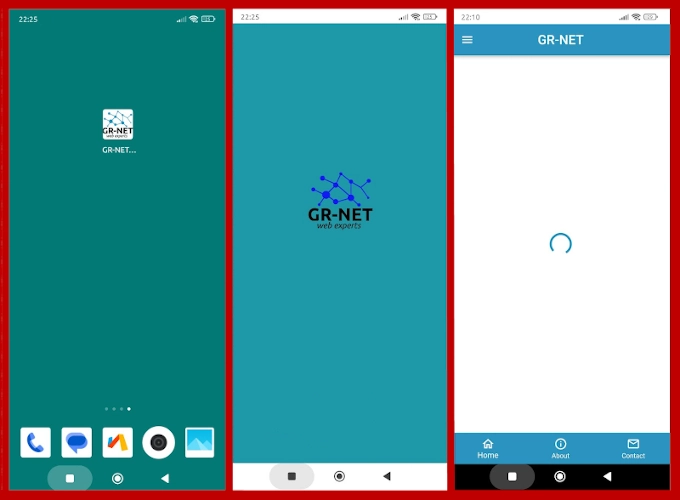
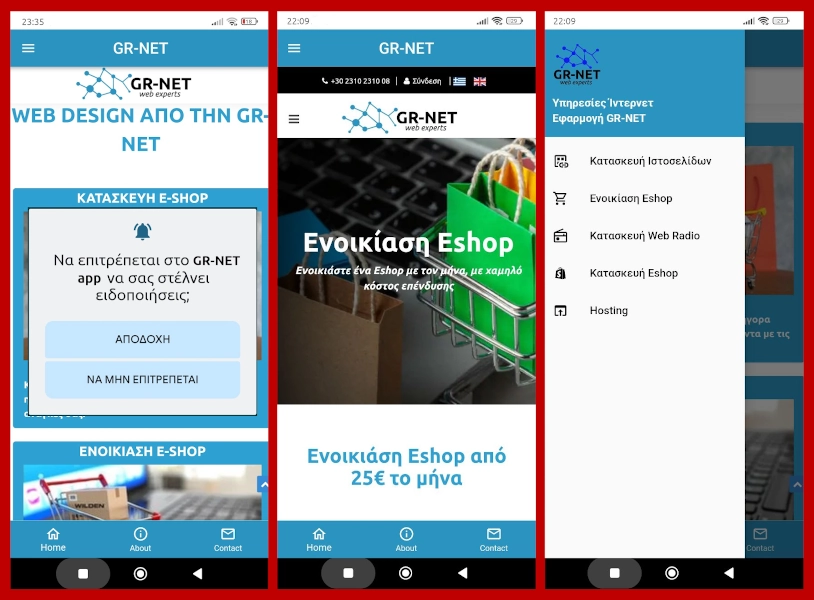
Below you can see real mobile applications developed for Android and iOS, based on existing websites or eshops, with full content synchronization, stable performance, and adaptation to real mobile usage. These examples demonstrate practical implementation of website-to-app conversion strategy, not simple design showcases.

Each application extends the digital presence of the corresponding website, preserving structure, content, and functionality, while reducing the distance between user, content, and recurring usage through a native mobile environment.

Why Choose GR-NET for Converting Your Website into a Mobile App

The success of an application does not depend on the number of technical features, but on how effectively it utilizes the existing structure of the website or eshop and whether it genuinely improves the mobile user experience.

UI/UX design adapted to real mobile usage

The application design follows a mobile-first approach, where navigation, responsiveness, and information hierarchy are adapted to touch-screen interaction. The goal is to reduce unnecessary steps and enable immediate understanding of functionality.

Application visibility through App Store Optimization (ASO)

Optimization for Play Store and App Store focuses on clear descriptions, proper keyword usage, and message consistency, so the application is discovered by users with real intent, not random installations without retention.

Speed and stable performance on mobile devices

The application is built to operate smoothly across different devices and usage conditions, reducing delays and errors that negatively affect experience and lead to abandonment.

Data security and compliance with modern requirements

Data handling follows secure protocols and clear separation of processes, ensuring the application remains reliable, compliant with modern requirements, and fully aligned with the existing website or eshop.

Frequently Asked Questions about Website-to-App Conversion

How much does it cost to convert a website into an app?

The cost depends on the structure of the website or eshop, the number of features that need to be supported, and the distribution platforms (Android and iOS). The process leverages existing content and website logic, which reduces cost compared to developing an app from scratch.

How long does the conversion take?

The implementation time depends on website complexity, the adjustments required for mobile usage, and the level of content synchronization. In most cases, the conversion is completed without requiring redesign of the website or eshop.

Which platforms does the app support?

The application can be released for both Android and iOS, allowing users to access website or eshop content through a native mobile environment, designed for touch screens and portable devices.

Is support provided after delivery?

Technical support and maintenance are provided after delivery, so the application remains compatible with new operating system versions, security updates, and changes in website or eshop content.

What content does the app display?

The application displays the mobile version of the website or eshop, with adapted navigation, optimized user experience, and full content synchronization, so users always see the same information across all digital touchpoints.

Contact us : info@gr-net.gr

Turn your Internet Radio into a Mobile Application.

Visit the following link for more information:

@All Rights Reserved by GR-NET

Payment Methods
Contact Form